

With today’s world events, it’s very wise to consider all factors before choosing a retirement destination. A dream retirement used to mean palm trees and sun-drenched coastal strips in Florida, Arizona or Southern Europe. It guaranteed no snow shovelling or shivering winter strolls.
As we look towards 2027, however, the classic retirement paradise image is becoming hazy under the shadow of many global uncertainties. A convergence of accelerating climate volatility, aggressive cross-border taxation, and unpredictable geopolitical dynamics is forcing retirees to re-evaluate what true “paradise” looks like.
Instead of pursuing volatile tropical paradises abroad or moving to isolated pockets, discerning retirees are turning their focus to British Columbia—discovering that both Metro Vancouver / the Lower Mainland and Vancouver Island offer an unbeatable combination of climate resilience, world-class amenities, WHO Recognized Age-Friendly cities, low crime rates, tax safety, and lifestyle choices.
Why BC Takes the Spotlight?
1. Climate Volatility & “Super Storms” are Becoming Constant Threats in Sun Belt Regions
The traditional dream of retiring to the American Sun Belt or Southern Europe is increasingly colliding with stark ecological realities. Once-predictable sub-tropical and Mediterranean climates are now subject to extreme, erratic weather patterns that pose serious risks to health, property, and quality of life.
2. Taxation & Cross-Border Risks are Increasing for Canadian Snowbirds
Beyond environmental challenges, Canadians holding property or spending significant time in Florida and other US states face an increasingly complex matrix of tax liabilities and regulatory oversight.
Key areas of concern for Canadians are:
- The IRS “Substantial Presence” Clock
- The Foreign Investment in Real Property Tax Act (FIRPTA)
- Estate & Inheritance Exposure
3. Geopolitical Stability & Healthcare Security Abroad
The political climate in popular foreign destinations introduces additional risk factors for retirees looking for peace of mind. What were once no-brainer relocation options are now fraught with complexities. Immigration laws and border controls seem to be changing constantly, leaving seniors living in locations such as the US and Europe in a perpetual state of uncertainty. Health care costs and travel insurance are other stressors that can quickly eat away at fixed income, causing extra grief for seniors in need of medical care.
4. Most Major Cities in BC Have WHO Age-Friendly Recognition
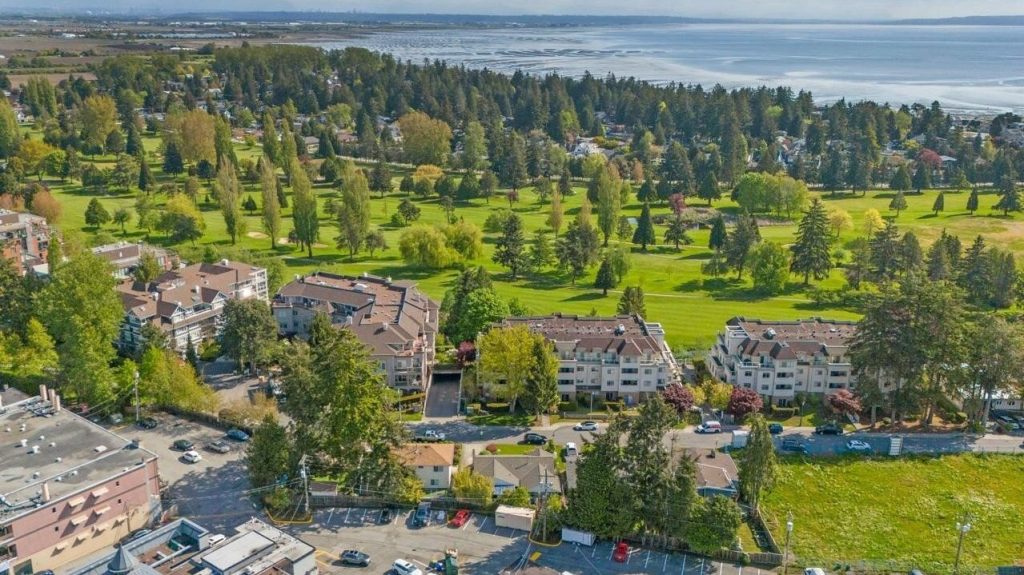
A key differentiator that sets British Columbia apart from traditional retirement destinations is its deep commitment to the United Nations & World Health Organization (WHO) Global Network for Age-Friendly Cities and Communities.
Under the UN Decade of Healthy Ageing framework, WHO Age-Friendly designation recognizes municipalities that intentionally design their public spaces, housing, transit, and social programs around eight core pillars of senior well-being:
WHO 8 DOMAINS OF AGE-FRIENDLINESS:

• Outdoor Spaces & Buildings
• Accessible Transportation
• Housing Flexibility & Safety
• Respect & Social Inclusion
• Civic Participation & Volunteering
• Communication & Information
• Community Support & Health Services
• Active Social Participation
Dozens of BC municipalities have formally adopted these international frameworks or earned provincial Age-Friendly BC recognition:
- Metro Vancouver Leaders: Major urban centers like Vancouver, Richmond, Burnaby, and Surrey have built their municipal master plans around WHO standards—ensuring low-barrier transit, step-free civic facilities, age-friendly park equipment, and integrated community centers.
- Island Exemplars: Municipalities like Saanich were early global inductees into the WHO Global Network, alongside age-friendly hubs like Sidney, Parksville, Qualicum Beach, and Nanaimo.
- Civic Peace of Mind: This international accreditation ensures that as you age in BC, local city planning actively prioritizes accessibility, cross-generational inclusion, and senior-focused safety initiatives.
5. Metro Vancouver & The Lower Mainland: Urban Luxury, Transit & Global Access
For retirees who value non-stop international connectivity and world-class urban infrastructure, Metro Vancouver and the Lower Mainland offer an environment unmatched anywhere else in the country.
LOWER MAINLAND RETIREMENT HUBS:
[ Coastal & Urban Core ] [ South Fraser / Suburban ]
-------------------------- -----------------------------
• Vancouver (Westside, South) • South Surrey / White Rock
• North Shore (West Van) • Richmond & Steveston
• Burnaby & New Westminster • Delta (Tsawwassen, Ladner)
WHAT TO EXPECT?
- Mild, frost-free winters- World-class specialist medical hubs
- Direct public transit (train line) to YVR Airport- Rich cultural & dining landscape
Unmatched Connectivity: YVR & Rapid Transit
- Direct Access to YVR International Airport: Vancouver International Airport (YVR) is consistently ranked among the top airports in North America. For retirees who travel seasonally or maintain close ties with family abroad, living minutes from YVR eliminates stressful ferry connections or long highway commutes.
- Seamless Rapid Transit (SkyTrain & Canada Line): Metro Vancouver’s Canada Line connects Richmond, Vancouver, and YVR directly, allowing hassle-free, car-free mobility right into downtown Vancouver or straight to airport gates.
World-Class Healthcare & Specialist Networks
Metro Vancouver places retirees adjacent to Canada’s premier healthcare institutions—including Vancouver General Hospital (VGH), St. Paul’s Hospital, UBC Hospital, and Jim Pattison Outpatient Care Center. Immediate access to specialized physicians, advanced diagnostics, and major research hospitals provides unparalleled long-term peace of mind.
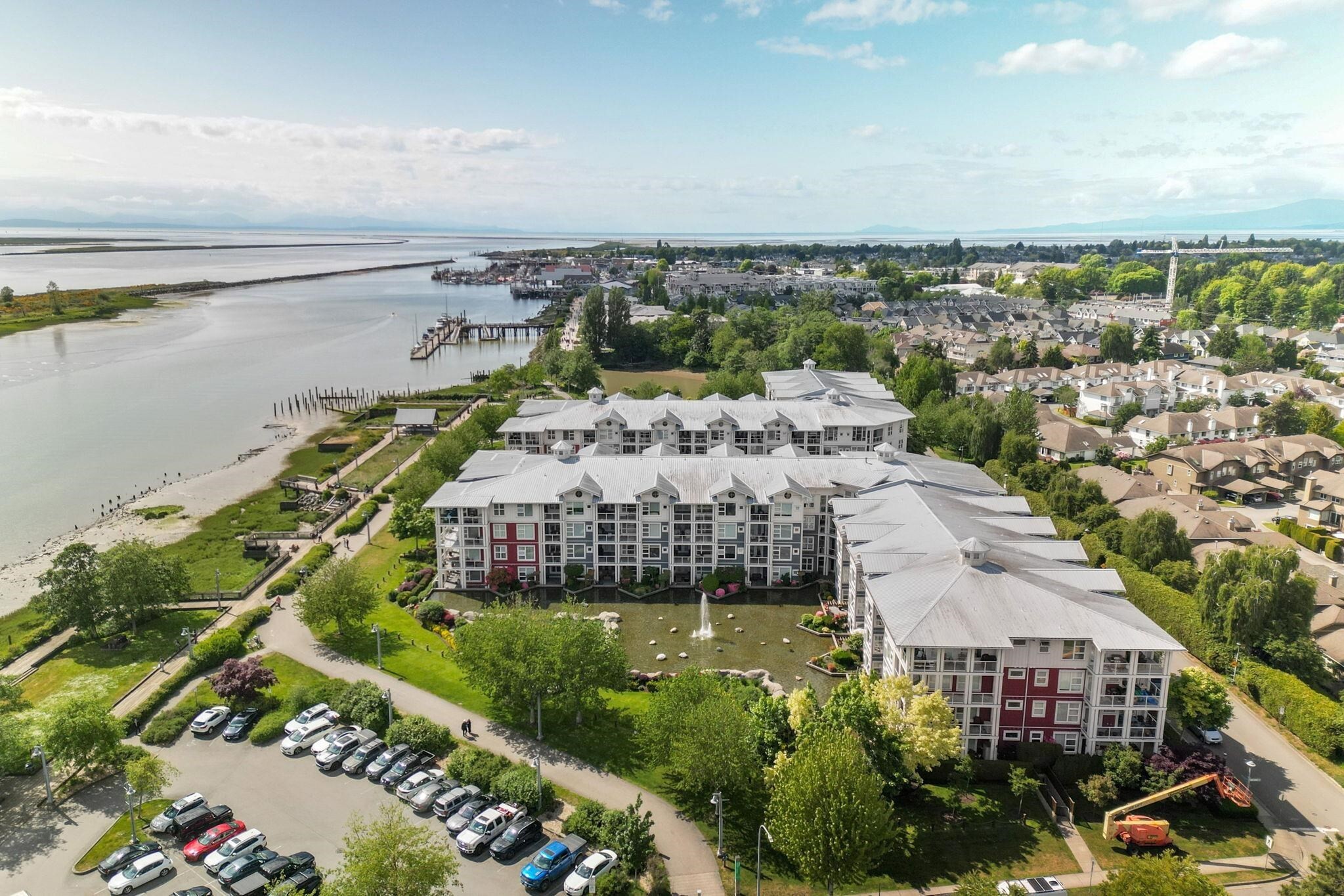
Key Lower Mainland Retirement Hubs
- South Surrey & White Rock: Boasts some of the mildest weather and highest annual sunshine hours in the Lower Mainland, featuring walkable oceanfront promenades, active senior community centers, and vibrant dining.
- Richmond & Steveston Village: A scenic flat terrain ideal for active seniors, offering waterfront walkways, rich historic charm, authentic global cuisine, and direct Canada Line transit to YVR.
- Vancouver’s Vibrant West End and Southside: Established neighborhoods featuring quiet tree-lined streets, boutique shopping, lush green spaces (West End, Queen Elizabeth Park, VanDusen Botanical Garden), and rapid transit into the city core.
- North Shore (West Vancouver & North Vancouver): Ideal for active retirees seeking sweeping ocean views, immediate access to gentle hiking, golf, and marine recreation, all within 15 minutes of downtown Vancouver.
6. Vancouver Island: Island Serenity, Mild Microclimates & Island Living
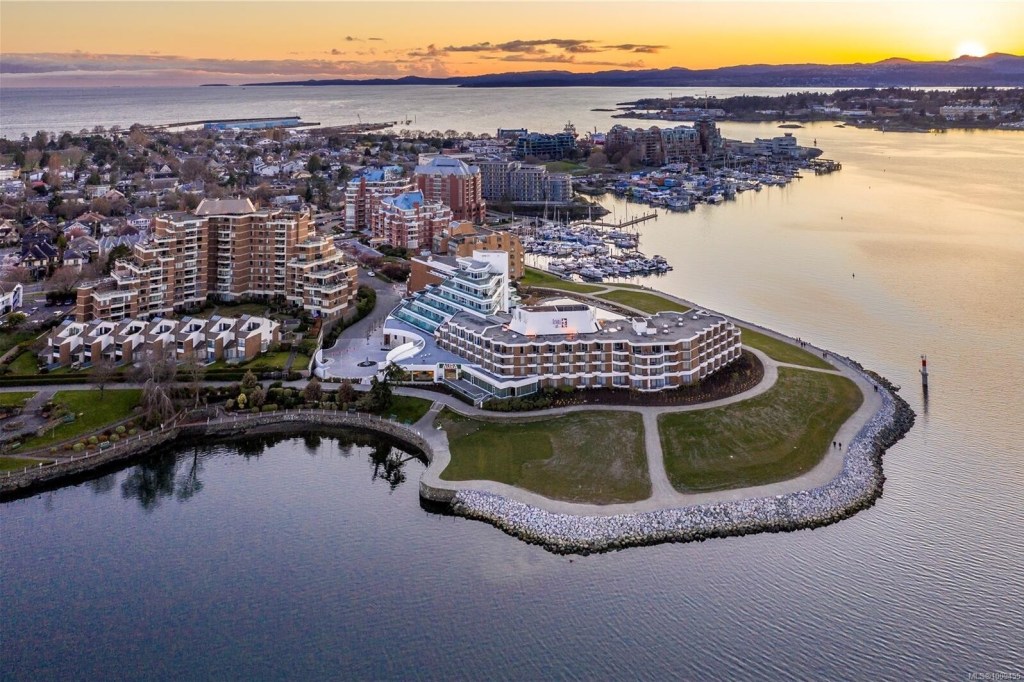
While the Lower Mainland delivers urban energy and airport convenience, Vancouver Island represents the gold standard for retirees seeking a gentler pace, coastal charm, and Canada’s mildest climate.
VANCOUVER ISLAND HAVENS
[ Greater Victoria & South ] [ Central & East Coast ]
------------------------------ --------------------------
• Victoria & Saanich Peninsula • Parksville & Qualicum Beach
• Oak Bay & Sidney • Nanaimo & Oceanside
• Cowichan Valley • Comox Valley
WHAT TO EXPECT?
- Canada's mildest winters- Relaxed peaceful neighbourhoods with near-by amenities
- Rich garden & maritime culture
-Walkable seaside communities
Canada’s Gentlest Climate & Rain-Shadow Advantage
Protected by the Olympic Mountain Range to the south and the Island’s central spine to the west, southeastern Vancouver Island enjoys a unique sub-Mediterranean microclimate. Areas like Greater Victoria and the Oceanside region experience significantly less annual rainfall than the mainland, with winter temperatures that rarely dip below freezing—allowing for year-round golfing, gardening, and coastal walking.
Iconic Island Retirement Communities
- Greater Victoria, Oak Bay & Saanich: Renowned for world-class gardens, historic English-inspired charm, vibrant harbors, and cultural institutions like the Royal BC Museum and Victoria Symphony. The Saanich Peninsula offers quiet rural acreages and oceanside estates just minutes from Victoria International Airport (YYJ) and BC Ferries Swartz Bay terminal.
- Sidney-by-the-Sea: A picturesque, highly walkable coastal town favored by retirees for its flat terrain, seaside boardwalks, marina access, independent bookstores, and proximity to travel gateways.
- Parksville & Qualicum Beach (Oceanside): Famed for long sandy beaches, warm summer waters, and one of Canada’s highest concentrations of active retirees. These communities offer top-tier golf courses, active community groups, and relaxed coastal living.
- Cowichan Valley: Known as BC’s warm culinary heart, offering rolling vineyards, artisanal farms, warm lakes, and a thriving slow-food scene for food and wine enthusiasts.
- Comox Valley: Perfect for active retirees who want the best of both worlds—coastal ocean living paired with proximity to Mount Washington for winter skiing and alpine hiking.
Conclusion: Planning for 2027 and Beyond
Retirement planning in 2027 requires moving past outdated habits. While the warmth of foreign shores once outweighed the risks, today’s climate realities, insurance crises, and tax headaches make international relocations an unnecessary gamble.
Whether you choose the connected luxury of Metro Vancouver or the serene, microclimate charm of Vancouver Island, anchoring your retirement in British Columbia can secure a mild coastal climate, high-quality healthcare, UN-recognized age-friendly urban infrastructure, and financial and tax security.
Considering moving to BC? We are here to help!
Want to get more real estate advice? Subscribe to receive our latest posts. We do not spam, sell or share subscribers’ personal details.


Leave a Reply